
Build
A $0 Text Post Outsold a $15K Video Ad 28-to-1. Here's Why.
Beautiful ads with hollow messages get scrolled past. Learn the one framework that turns your product's real value into words your audience actually responds to.
Lifelong learner, Product marketing manager, Data Analyst --- I help people and companies make successful products, ranging from courses to interactive museums and apps.

Build
Beautiful ads with hollow messages get scrolled past. Learn the one framework that turns your product's real value into words your audience actually responds to.

Manage
Same week, same brief, same skills — three very different outcomes. The difference isn't talent or effort, it's how early you're willing to show something rough.
Build
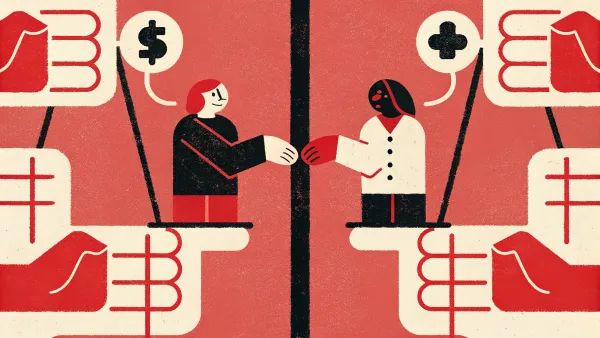
Most freelancers pour money into ads while their offer, pricing, and purchase path are broken. Here's the 4-element system that actually fills your pipeline.

Build
A sharp price drop with a hard deadline can fill your pipeline for months. But run too many, and your "sale price" becomes your real price.
Manage
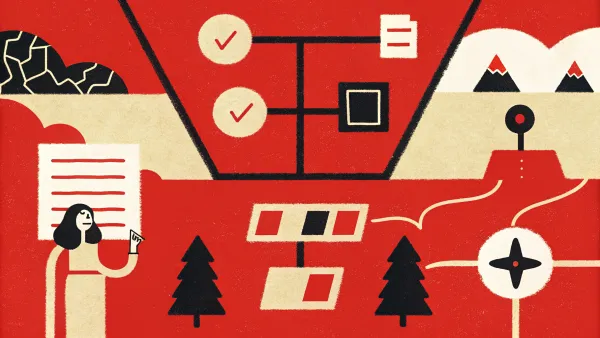
My wife's answer — "do whatever you want, but there better be bread by dinner" — contains everything worth knowing about project management. The trouble is, most of us show up with ciabatta.
Build
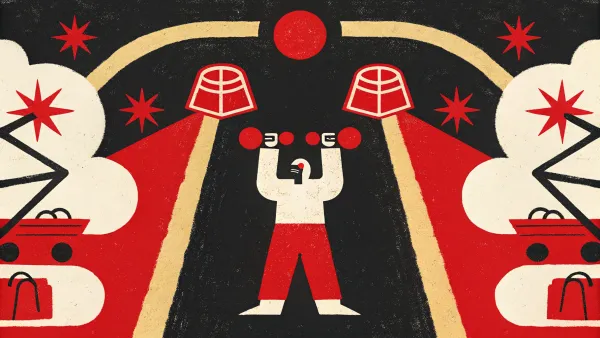
A simple errand for mom turned into a $500 Dyson purchase. The psychology behind it explains how your clients actually make buying decisions.

Build
A free template, a $19 workshop, a $297 course. How each step turns strangers into buyers — and why your freebie should outshine competitors' paid products.

Build
Mid-range buyers don't want the cheapest or priciest option — they want proof that everyone else was happy. Here's the playbook for earning their trust.

Build
Low-price strategy isn't about having the lowest number. It's a perception system where the hunt for a deal matters more than the deal itself.

Build
"Great quality at a competitive price" isn't positioning — it's noise. Here are four specific situations where charging more actually attracts clients.

Build
Segmentation isn't demographics — it's psychology. Ten buying drivers explain why the same client haggles on one project and overpays on another.

Build
People don't buy rationally — they rationalize after. Smart pricing gives buyers the words to convince themselves they chose well.