Avoid Legal Risks: The Brutal Truth About Email Marketing
One satisfying campaign, one ignored payment, and suddenly you're the spammer. Email marketing success isn't about what you send—it's about whether anyone asked for it.

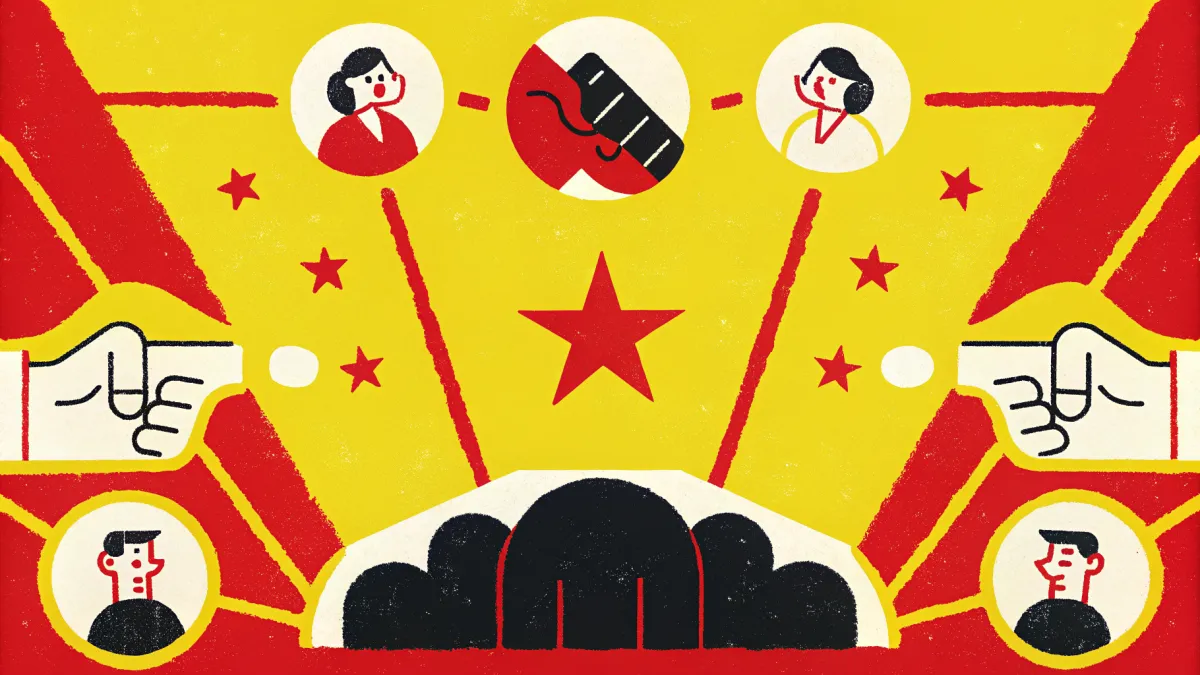
Two types of emails: expected and annoying
You wrapped up a project for a client. The campaign hit every metric. Now you're waiting for payment confirmation.
Instead, you get this: "We're launching a new project. Can you work for exposure?"
That's the difference between an expected email and an annoying one. One gets opened and read. The other lands in spam—along with your reputation.
Context shapes perception
A freelance copywriter sends a welcome series to new newsletter subscribers. The person just signed up—they're expecting your content. Open rate: 60-70%.
Same freelancer digs up an old list from 2019 and blasts everyone with a course promo. People don't remember who you are. Open rate: 8%. Unsubscribe rate: 15%. Deliverability tanks for months.
The difference isn't email quality. It's recipient context.
What to do: Before every send, ask yourself: "Is this person EXPECTING this email from me?" If not—don't send it.
Reach vs relevance
A marketing consultant launches a new service—positioning audits. Who gets the email?
Option A: The entire list of 3,000 people. Maximum reach. But 80% of that list signed up for a free guide two years ago and never bought anything.
Option B: Only people who opened emails in the last 90 days + past buyers. 400 people.
Option B delivers 5x higher open rates. Segmented email campaigns consistently outperform mass blasts.
Frame the question like that—the answer's obvious. Now check your email tool. When did you last segment your list before hitting send?
What to do: Split your list into at least two groups: active (opened emails in 90 days) and inactive. Send promos only to the active ones.
Three types of emails—three different jobs
Every email you send falls into one of three categories:
Transactional. Payment confirmation, course access, password reset. The person took an action—you confirm it. These get 80%+ open rates.
Content. Newsletter, useful materials, case breakdowns. The person subscribed for your content—you deliver. This is where trust gets built.
Promo. Selling a course, service, or product. The person is on your list—you make an offer. This is where monetization happens.
Problems start when you mix categories. Slipping "P.S. Buy my course" into a transactional email with free guide access. Or turning every newsletter into a sales pitch.
What to do: Keep email types separate. Transactional—clean, one job. Content—value without selling in 4 out of 5 emails. Promo—separate, with separate consent.
Legal consequences aren't abstract
In 2026, mixing ads with service emails isn't just bad practice. It's legal risk.
| Regulation | Penalty |
|---|---|
| CAN-SPAM | $43,792 per violating email |
| GDPR | Up to €20 million or 4% of global revenue |
| CCPA | Up to $7,500 per violation |
For a solo creator with a 5,000-person email list, one bad mass send can cost you the business.
72% of American consumers expect clear consent practices when subscribing to email lists. This isn't regulatory paranoia—it's audience expectation.
What to do: Use double opt-in. Keep consent records. Keep promos separate from transactional emails.
For freelancers and consultants
Email for an independent professional isn't a "communication channel." It's a nurturing tool that turns subscribers into clients.
Читайте также
- The Brutal Truth About Over-Communicating With Clients
- The Brutal Truth About Newsletter Success: Testing vs. Debating
- Why Clicks Are the Honest Metric You Need
Your welcome series is your first product
A new subscriber is most engaged in the first 48 hours. Don't waste that window on "Thanks for subscribing." Deliver value immediately: 3-5 emails that solve a specific problem.
Segmenting a small list
Even 500 subscribers can be split:
- By interest: who came from which lead magnet
- By behavior: who opens, who clicks
- By stage: who's still researching, who's ready to buy
Frequency—once a week, tops
People start with daily sends because they "have a lot to say." Two weeks later, they're burned out. Start with a weekly email at the same time. Predictability helps deliverability—subscribers start expecting your emails.
What doesn't work
One blast to the whole list. Generic emails feel irrelevant. Result: low engagement, high unsubscribes. Even basic active/inactive segmentation makes a massive difference.
Promo in every email. "P.S. My course is on sale" at the end of every newsletter trains subscribers to ignore your P.S. When you have a real offer—nobody notices.
Fake scarcity. "Only 2 spots left" when there's unlimited availability. "Today only" when tomorrow will be the same thing. Your audience sees through it. Trust drops permanently.
Bait-and-switch subject lines. "Urgent!" in the subject line, then a regular newsletter inside. Works once. After that, your emails stop getting opened at all.
Ignoring personalization. Name in the greeting—bare minimum. Content relevant to subscriber interests—standard. Generic content stopped working.
Tools
| Tool | Use case | Price |
|---|---|---|
| Klaviyo | Email automation with behavioral segmentation—welcome series, post-purchase flows | Free up to 250 contacts, from $20/mo |
| Postmark | Transactional emails with high deliverability—confirmations, notifications | From $15/mo for 10K emails |
Bottom line
The difference between an email that gets opened and one that hits spam isn't copywriting. It's context.
Person expecting your email? Send it.
Person doesn't remember who you are? Remind them first—through value, not a sales pitch.
Relevance beats reach. Always.