The Critical Shift in Learning: From Lectures to Memory Practice
That Sunday night feeling of mastering a lecture? It's an illusion. Real learning happens when you close the material and struggle to recall it—and science shows this works twice as well as re-reading.

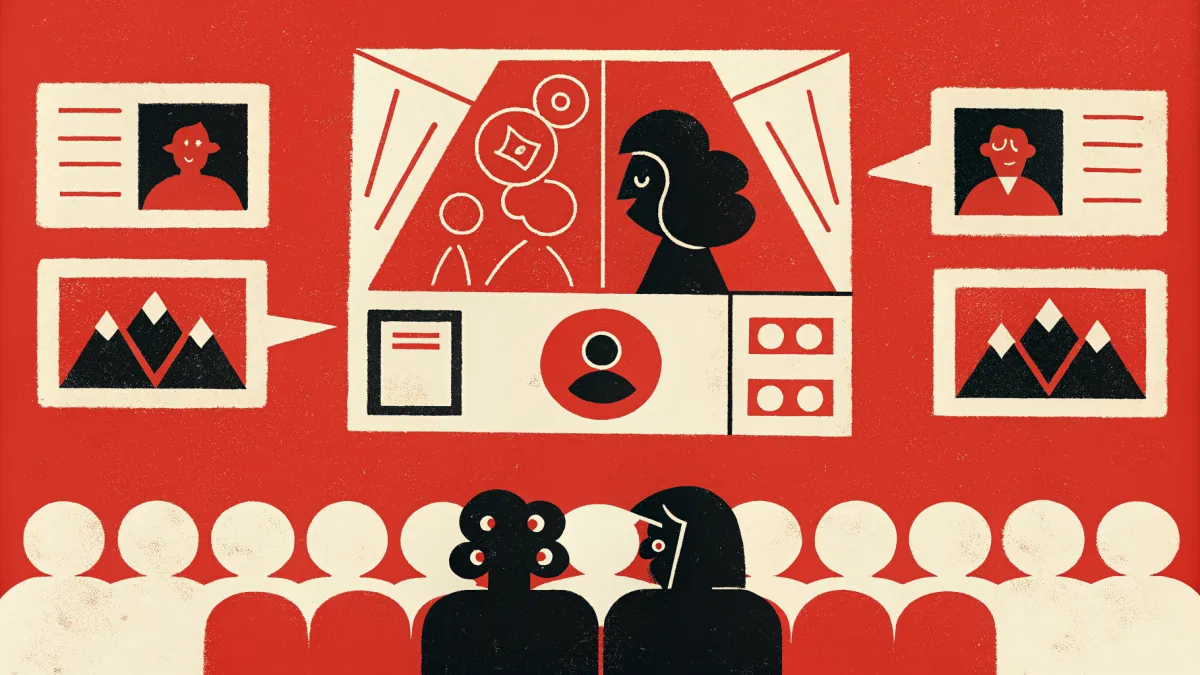
Why Homework Is the Whole Point
Sunday, 10 PM. You just finished a two-hour lecture on machine learning. The speaker was great—cracked jokes, gave examples, explained everything clearly. You close your laptop feeling like you got it. A week later you open Jupyter Notebook. Nothing. Like the lecture never happened.
If you only read one paragraph, make it this one: after any learning session, close the material and write down three main ideas in your own words. No peeking. This single technique works twice as well as re-reading. Everything else in this article explains why.
Education's Open Secret
Everyone who works in education would love to abolish homework forever. If it didn't actually work.
Here's the thing: in any learning, what matters most isn't the instructor's explanations—it's what you do yourself. Even if English were taught by a Ryan Gosling and Benedict Cumberbatch duo, without practice you'd get nowhere.
A meta-analysis by Donoghue & Hattie (2021) across 169,000 participants showed: self-testing produces an effect size of d=0.85. That's a large effect—one of the highest among all learning techniques. Re-reading material works significantly weaker.
And that's when it clicked: we're all playing the wrong game. We think we're learning when we listen. But we actually learn when we try to remember.
The Metaphor That Explains Everything
We could spend years explaining to a child how to walk properly. Show videos. Bring in experts. Zero results—until the child stands up themselves. Falls a few hundred times. Gets some bruises.
Now imagine: twice a week, a walking specialist visits the baby. Ninety minutes of instruction. Then the child rides in a stroller until the next session. Week after week.