Stop Building a Brand When Clients Are Already Googling Your Service
A Webflow dev spent 3 months on YouTube while clients Googled his exact service daily. Here's why freelancers confuse brand-building with procrastination.


Why You Want to Build a Brand When People Are Already Searching for What You Sell
A freelance developer launches a service — Webflow sites for small businesses. Demand exists: clients Google "webflow developer" every single day. But instead of showing up in those search results, he spends three months producing a YouTube series called "Why Webflow Beats WordPress." Filming. Editing. Publishing. Zero clients.
He's building a brand where he should be capturing demand.
Let's break down why this happens — and what to do instead.
The Mental Model: Top-Down Funnel
Everyone's seen the classic marketing funnel: awareness → interest → conversion. The logic feels obvious: launching something new? Start at the top. Get visible. Tell the world you exist.
For freelancers and consultants, the funnel looks simpler — content → trust → conversation → deal — but the thinking pattern is identical. First step is always awareness. Right?
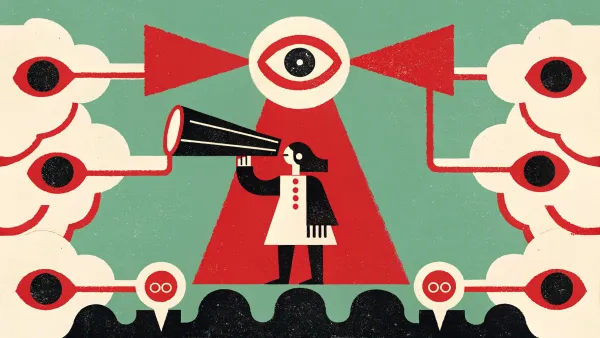
Wrong. If people are already searching for the service you sell, starting with "tell the world about me" is like standing outside a store with a megaphone instead of just opening the door.
Ask yourself: are clients already Googling my service? Searching "freelance UX designer," "fractional CMO," "Webflow developer"? If yes — your job is to show up in those results. Not on YouTube with educational content.
The Competitive Analysis Trap
A marketing consultant notices: none of the competitors run a podcast. The thought writes itself — "Great, an open niche. I'll be first." Four months later, 20 episodes in, 47 listeners. Not a single client.
Meanwhile, competitors are just responding to inbound on LinkedIn, Upwork, and through referrals. They didn't "fail to think of" a podcast. They did the math and passed.
Sometimes the absence of competitors in a channel isn't an opportunity. It's a signal. Someone tried before you and quietly stopped.
Sure, sometimes competitors genuinely haven't thought of it. But before you crown yourself a pioneer, check one thing: is there hot demand you're not yet capturing? If yes — capture it first. The podcast can wait.
Before investing in a new channel, answer honestly: am I already capturing 100% of the hot demand I can? If not — the new channel can wait.
Why Spend Energy on Awareness When Demand Already Exists
Say you're a freelance designer. Clients don't need anyone to explain why they need a landing page. They already know. They open Google and type "landing page designer freelance." Or they hit Upwork: "need landing page ASAP."
The idea has already been sold for you. Other marketers, other designers, SaaS companies — they all did the work. The client knows they need a landing page. Your job is to be where they're looking for someone to build it. Not shooting Reels about "why every business needs a landing page." That work's been done. For free.
But here's where awareness actually matters. When your service is a fundamentally new way to solve an old problem. The client is used to hiring a full-time marketer, and you're offering fractional CMO — two days a week, strategy only, no operations. Or: the client is used to hour-long Zoom calls, and you do async video audits — you record a 15-minute breakdown of their problem, they watch whenever. Or: the client is used to manual social media management, and you set up an AI system that generates content plans and post drafts on its own.
Old problem. New solution. That's when you need to plant the idea in the client's head that their problem can be solved differently.
Figure out what you're actually selling: a familiar service or a new format? Familiar — capture demand. New format — first explain why it's better.
Channels You Don't Touch
If demand for your service already exists, here's what you definitely don't do: launch viral TikTok content for reach, guest on other people's podcasts "for visibility," write guest posts on Medium, pay for influencer collaborations, spend a month on a "brand content strategy." All of these are reach activities. They work when you need to create demand from scratch. But if people are already searching "freelance copywriter" — you need to be where they're searching, not where they're scrolling.
One exception: if leads come in but don't convert. Then the problem is trust, and content can help. But that's not brand awareness — that's trust building. Different problem, different tools.
Start with demand capture: platforms where clients search for providers — Upwork, Toptal, LinkedIn, Google. Reach channels come later, if you have time and budget left over.
For Freelancers and Consultants: The Playbook
How to Tell If Demand Is Already There
Simple test. Open Google and start typing what you do: "Freelance [your service]." See autocomplete suggestions? People are searching for it. Demand exists.
Check Upwork: how many projects in your category show up per week? More than twenty — demand is there. You don't need to create it. You need to take it.
Where to Capture Hot Demand
Upwork / Toptal / similar platforms. The client has already described the project and is ready to pay. Your job — write a strong proposal.
LinkedIn. Optimize your profile headline for what clients actually search. Not "Creative Visionary & Brand Storyteller" — but "Webflow Developer | Landing Pages for SaaS." The client searches specific words. Be those words.
Google. If you have a website, one SEO-optimized page targeting "[your service] freelancer" will bring more clients than fifty Instagram posts.
Referrals. After every project, ask your client: "Who else in your network might need similar work?" This is the hottest demand there is — someone who comes through a recommendation already trusts you.
What About Personal Brand?
Brand is a byproduct of good work. Not a goal. You deliver projects, clients tell others, your profile fills up with case studies. That's a brand.
Three months on a YouTube series about "Why UX Matters" isn't brand building. It's procrastination.
What Doesn't Work: No Sugarcoating
Polishing your portfolio instead of selling. A freelancer spends a month redesigning their Behance — picking mockups, aligning grids, choosing font pairings. In that same time, they could have sent forty proposals on Upwork. A portfolio at 80% is good enough. The client needs results.
Viral content with no call-to-action. A Reel hits 50,000 views. Zero inquiries. Because the ending says "follow me," not "DM me if you need a landing page." Reach without a conversion action is entertainment for strangers.
"I'm building an audience" as an excuse for zero sales. Six months, 2,000 newsletter subscribers, 0 clients. An audience with no monetization is a hobby. If clients are searching for your service right now and you're "building an audience" — you picked the long road when a shortcut already exists.
A podcast "for visibility" with no lead capture strategy. 20 episodes. 47 listeners. One of them is your mom. A podcast works as a trust tool if you're already getting inquiries and sending clients a specific episode before a call. As a first acquisition channel — almost never.
Branding courses instead of your first cold email. "I need to figure out my positioning first." No. Write to ten potential clients and see what happens. Positioning gets refined through selling — not before it.
The Bottom Line
The position is straightforward. If demand for your service exists — don't waste time telling the world that such a service exists. The world knows.
Start by capturing hot demand. Be where clients are already looking. Optimize your profiles. Send proposals. Ask for referrals.
Brand comes later. Once hot demand is captured, the pipeline works, and you have money and time for reach experiments.
Not the other way around.