Your First Product Starts with a Strength, Not a Funnel
Most creators build entire funnels before making a single sale. Here's why starting from your strongest skill — not a $9 tripwire — actually gets you paid.

How a product lineup actually works — and why most people start from the wrong end
Three years ago I was sitting in a café with a friend who'd just quit his agency job. He wanted to "launch his own product." I asked: what kind? "Well, a course. Or consulting. Or maybe a mastermind. Haven't decided yet."
He hadn't decided because he was asking the wrong question. He was asking "what should I sell?" instead of "what can I do better than almost anyone — and who needs it right now?"
It's a trap almost everyone falls into. And it has a mechanism.
How they sell you the "perfect product" idea
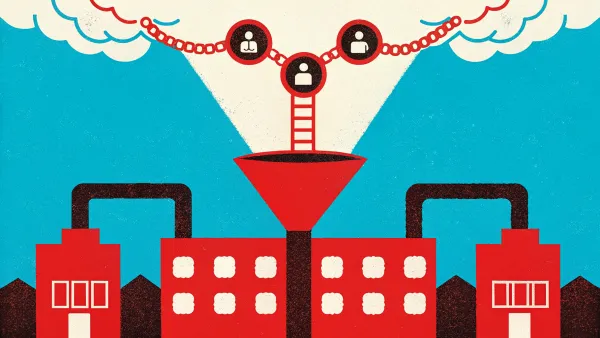
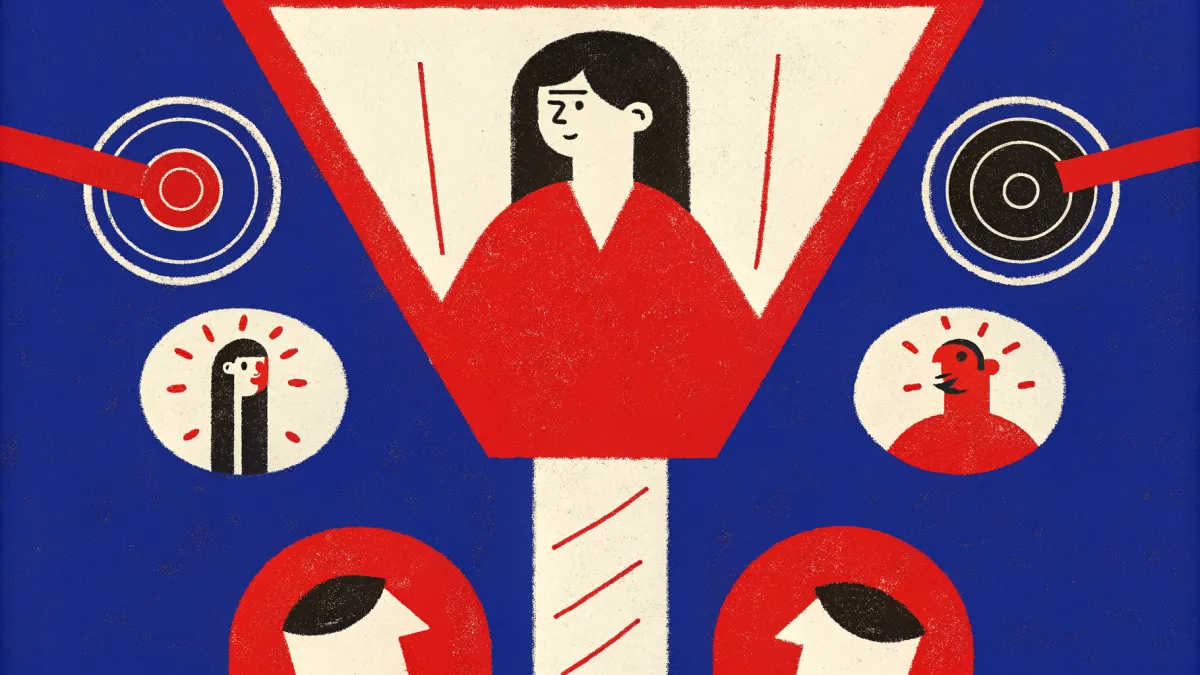
The standard pitch goes like this. You show up to a webinar or read a post where someone unveils a "product ladder." At the bottom — a free lead magnet. Then a $27 tripwire. Then a $497 course. Then a $5,000 mastermind. Neat little pyramid, arrows pointing up, each step feeding the next.
They tell you: "You need the whole lineup. Start small, but plan everything at once." So you start building this pyramid — with zero clients, zero case studies, zero testimonials. You spend three months creating a PDF nobody downloads, a tripwire nobody buys, and a landing page for a course you haven't even recorded.
Why does this pitch work so well? Because it exploits the planning fallacy — a cognitive bias where we overestimate our ability to execute a plan and underestimate the time it'll take. That pretty ladder on a slide looks logical. Your brain already sees the result. Dopamine already fired — from planning, not from doing.
The second mechanism is completion bias. We enjoy filling in every cell. If the diagram has four steps and you only have one — something feels incomplete. You "need" to fill the rest. Not because clients are asking. Because the diagram isn't finished.
I did exactly this. Drew funnels in Notion, mapped out upsells, picked a course platform. With zero sales. I felt like I was working on a business. In reality, I was hiding from the one scary action — offering something specific to a specific person.
What actually gets you the first sale
The best products are born where two things overlap: your strength and a specific problem people are already trying to solve.
Not some abstract "audience pain point." A concrete problem people already come to you with.
Quick test. Answer these:
- What could you talk about endlessly without getting tired?
- What do people constantly ask you about — even when you're not offering help?
- What have strangers complimented you on?
- What has someone actually paid you money for at least once in your life?
The intersection of those answers — that's your point. Not a "niche." Not "positioning." The point from which a product grows that you won't abandon in a month, because you're genuinely interested.
I could have built products around visual design, copywriting, even fitness — I had experience in all of them. But the strongest response always came from content about blogging. Not because it's "the most profitable niche." Because I could talk about it for hours without glancing at notes. And people felt that.
Here's something they don't mention in those product-ladder webinars. If you find the overlap between your strength and a real problem your readers have — you won't burn out. A product built from "I'm supposed to" drains energy. A product built from "I think about this every day anyway" feeds it.